Kemijoki River Settlement and Church Landscapes
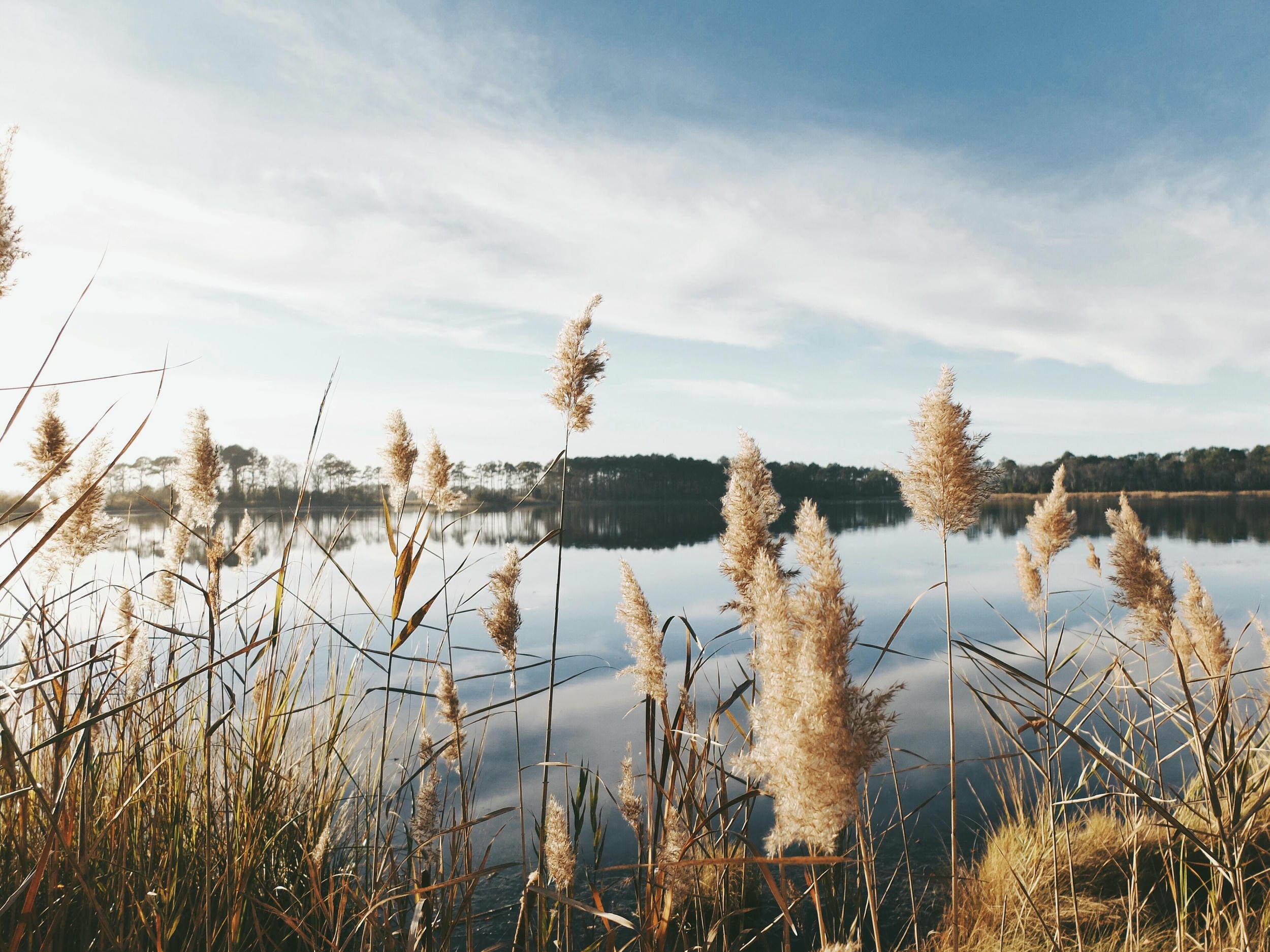
The Kemijoki River village settlements and church areas reflect the self-sufficient peasant life of the Peräpohjola region. The 19th-century homesteads, with their classicism-style main buildings, decorative verandas, and rare two-story boat shelters, have largely remained intact along the scenic river.
Church Areas – Scenic Highlights
The church areas in Keminmaa and Tervola are key scenic features. The medieval stone church in Keminmaa and the 1820s Empire-style church form the core of the parish. The medieval church contains 1650s paintings and a historic churchyard with preserved memorials.
Settlement and Salmon Fishing History
Before the power plants, the Kemijoki was one of Europe’s top salmon rivers. Permanent settlements began along the river in the 11th century, with settlers drawn by the salmon fishing opportunities.
Kemin Church and Parsonages
The churches in the region, including the medieval stone church and the 1820s Empire-style church, are central to the area’s cultural heritage. The Keminmaa parsonage, built in 1859, is also a key historical site.
Old Homesteads and Riverbank Villages
The riverbank villages of Keminmaa and Tervola preserve traditional 19th-century peasant architecture, offering insight into the area’s salmon fishing history.
Kemi’s Ecclesiastical and Cultural Heritage
The Kemi parish, founded in 1329, holds a deep cultural and historical significance, with its ecclesiastical roots extending back to the Middle Ages.